The global platform for verifiable digital credentials and microcredentials
POK - Proof of Knowledge is a digital credential platform for issuing, managing, and verifying Open Badges 3.0 credentials and microcredentials on the blockchain. Trusted by 1,100+ institutions in 19 countries.
Credentials issued
Institutions
Countries
100% free plan
Institutions that trust POK to issue verifiable digital credentials
















































The new POK
Three products, one system
Issue verifiable credentials, understand the skills they prove, and connect them to education and work. Each product works on its own; together they form a single system.
Learn anywhere. Prove everything. Understand your skills. Connect them to education and work.
Universities, governments, and companies trust POK
POK - Proof of Knowledge adapts to organizations of any size and sector, with the same free unlimited plan for everyone.
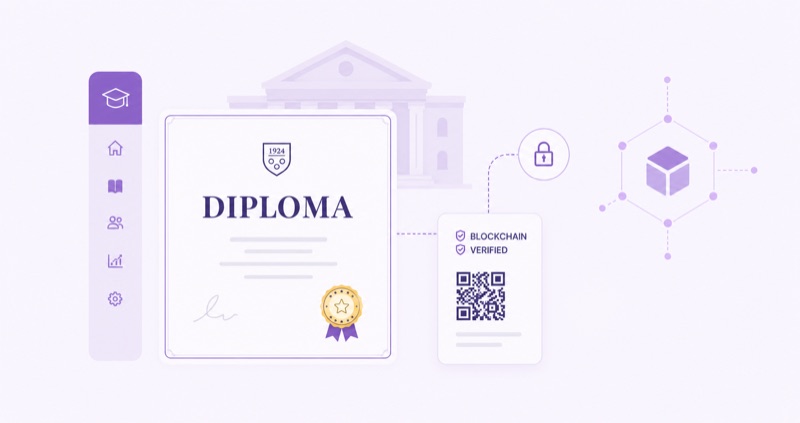
Universities and educational institutions
Issue diplomas, certificates, and microcredentials with blockchain backing. Compatible with Moodle, Blackboard, Canvas, and 50+ integrations.
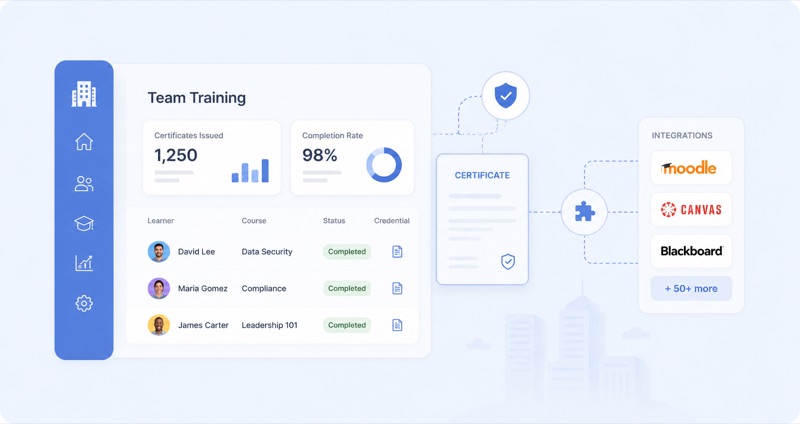
Companies and corporations
Certify internal training, courses, and professional achievements for your teams. Native integration with Moodle, Canvas, Blackboard, and more.
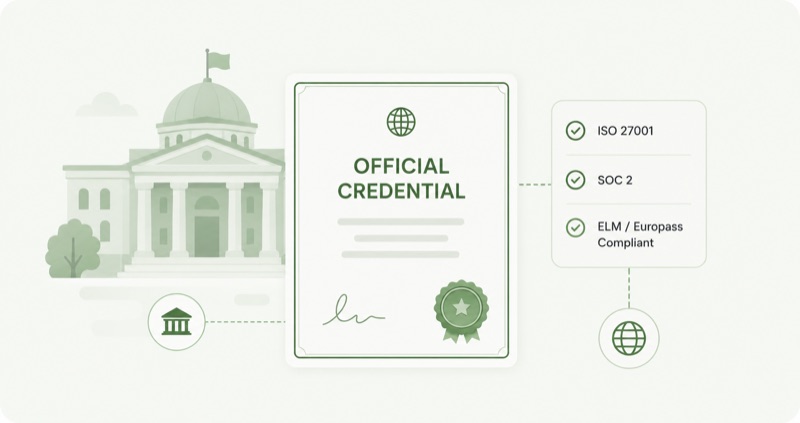
Governments and public agencies
Issue credentials with official and international validity. ISO 27001, SOC 2, and compliant with the European Learning Model (ELM/Europass).
Design, issue and verify — all in one platform
Design, issue, deliver and verify your credentials — POK runs every step on a single platform.
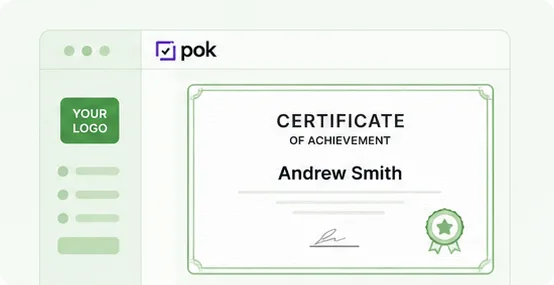
Build pixel-perfect credentials with a drag-and-drop editor, dynamic fields and your brand.
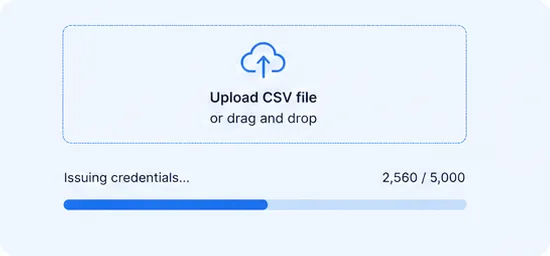
Generate thousands of unique credentials in one click from a spreadsheet.
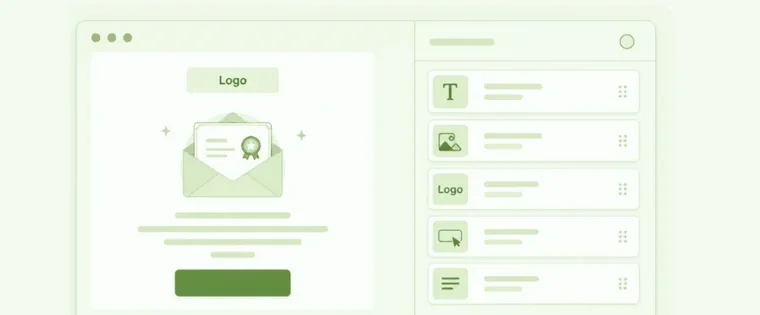
Create branded email templates, personalize the message and track open rates.
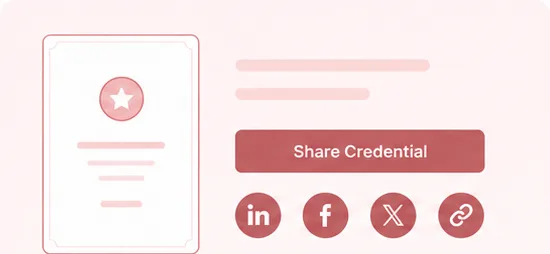
Holders share verified credentials to LinkedIn, X and email straight from the viewer.
Anyone can independently verify a credential on public blockchain — valid forever.
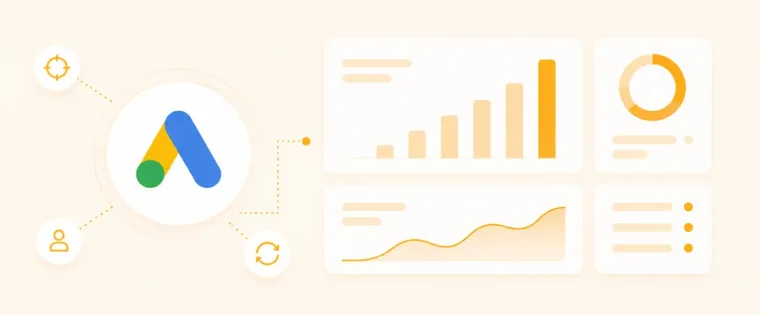
Track issued, viewed and shared credentials with a real-time analytics dashboard.
One platform to issue credentials at any scale
Design, issue and deliver verifiable credentials in bulk — from a handful to hundreds of thousands.
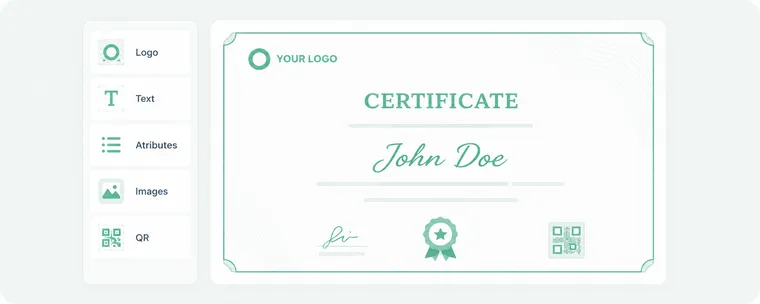
Template manager
Design once and reuse — build a library of branded templates your whole team can issue from in a click.
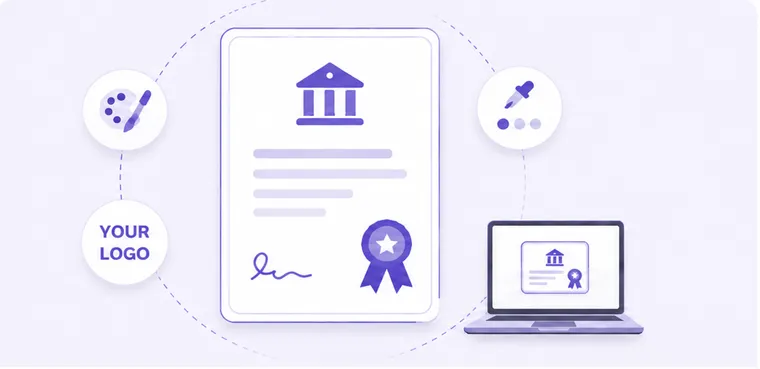
100% white label
Your logo, colors and domain across every email, page and wallet — holders only ever see your brand.
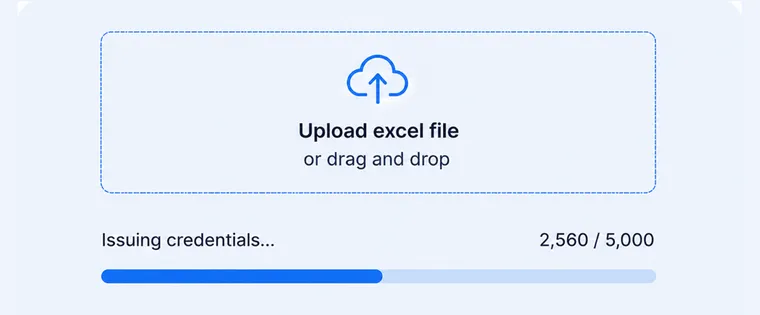
Bulk issuance
Issue thousands of credentials in one go from a single Excel file or API call — no caps, no setup, no technical team.
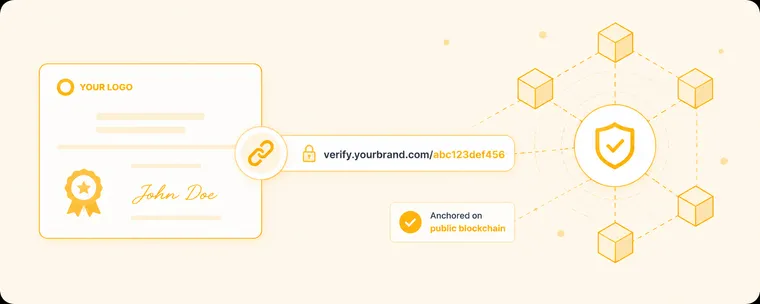
Verifiable credential links
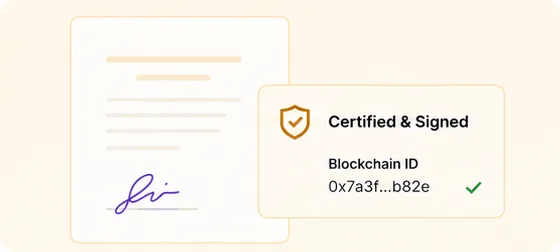
Every credential gets a unique link, provable by anyone, anywhere. Paid plans also anchor the credential on public blockchain.
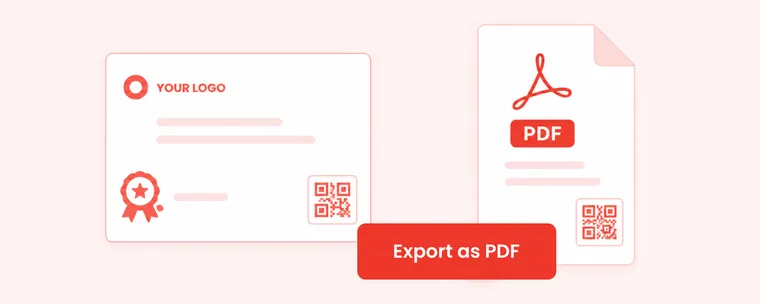
Export as PDF
Generate print-ready PDFs in seconds, each carrying a dynamic QR for instant verification.
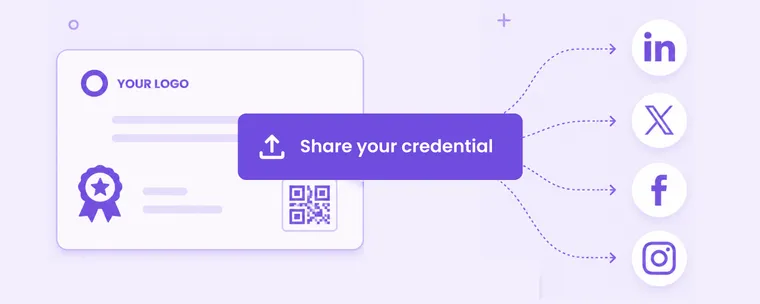
Share to social
Holders add credentials to LinkedIn or post them to any network in one tap — every share links back to a verifiable page.
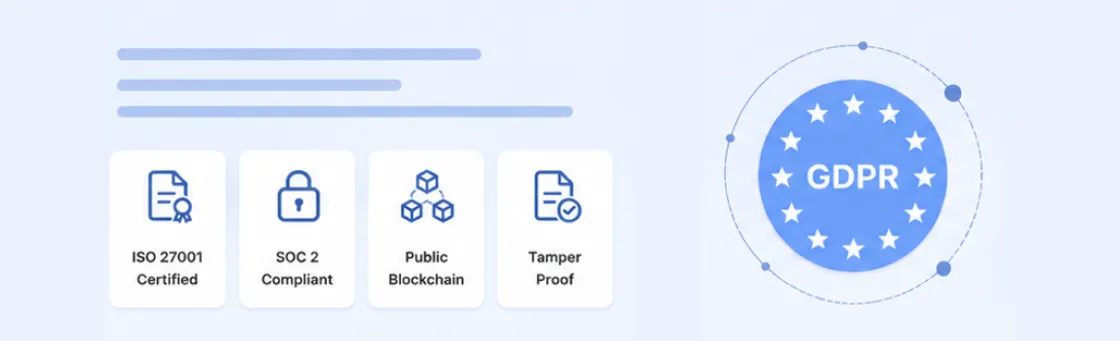
Security you can prove
Certified to ISO 27001 and SOC 2, GDPR-compliant and anchored on public blockchain — your data and every credential stay protected and tamper-proof.
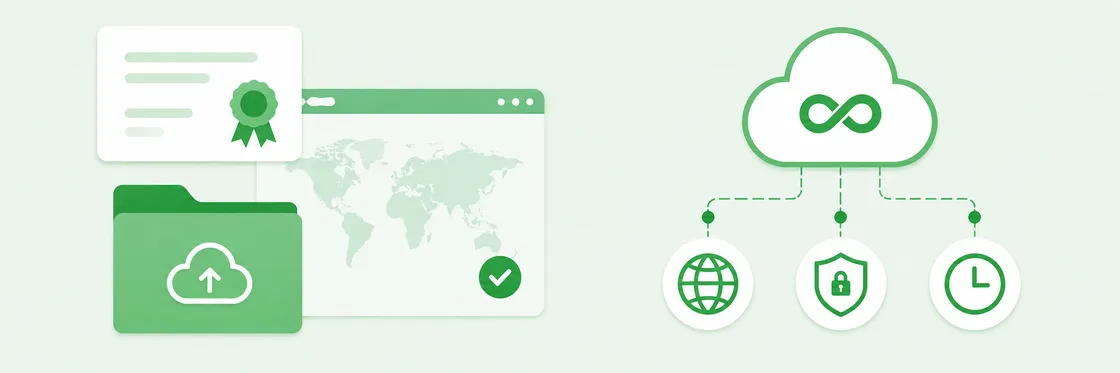
Free, unlimited hosting
Every credential lives online forever at no extra cost, with login-free access — included even on POK's 100% free plan, with no user caps.
Make every credential unmistakably yours
From the default POK template to a fully branded experience — your logo, your colors, your own domain and certificate design. Issuers and recipients only ever see your brand.
credential viewer
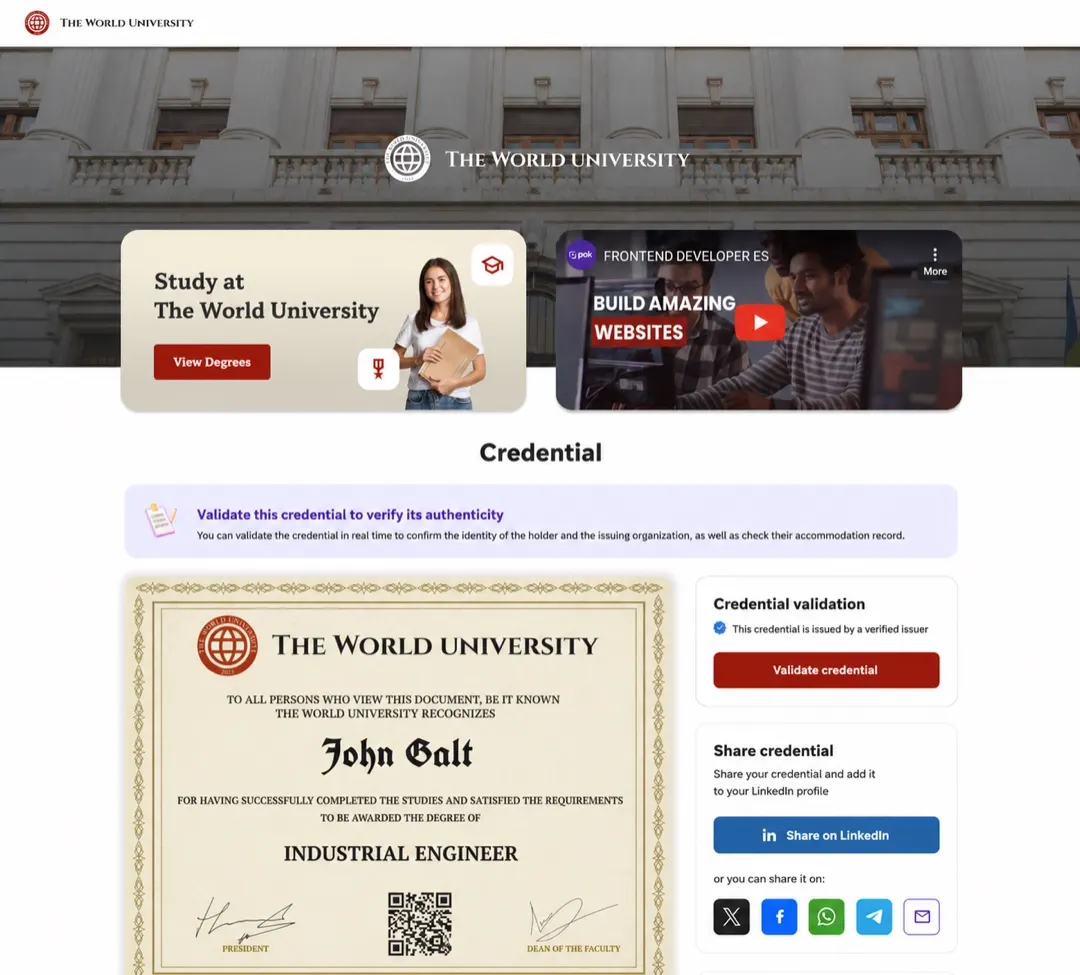
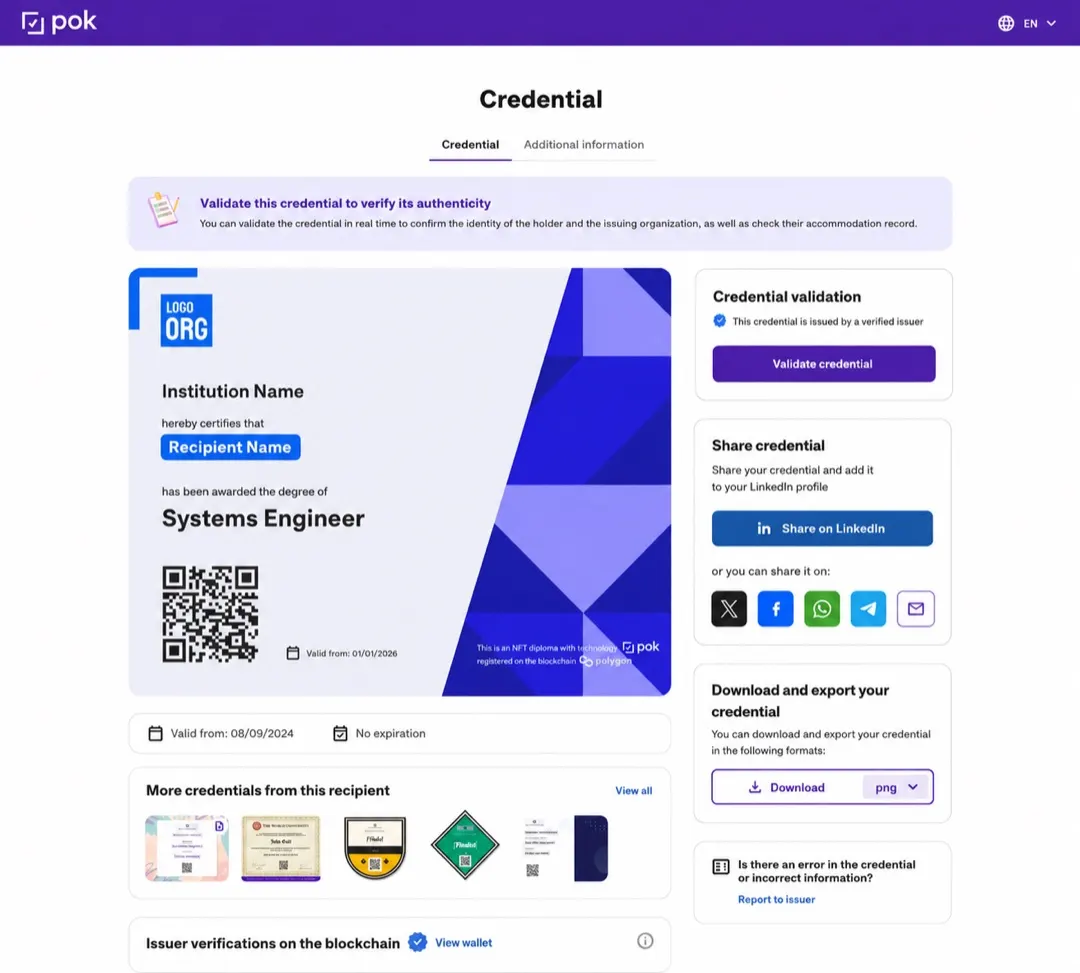
POK default
Your brand
Move to compare — default vs your brand
Internationally recognized and certified
POK - Proof of Knowledge complies with the leading global standards for digital credentials and information security.

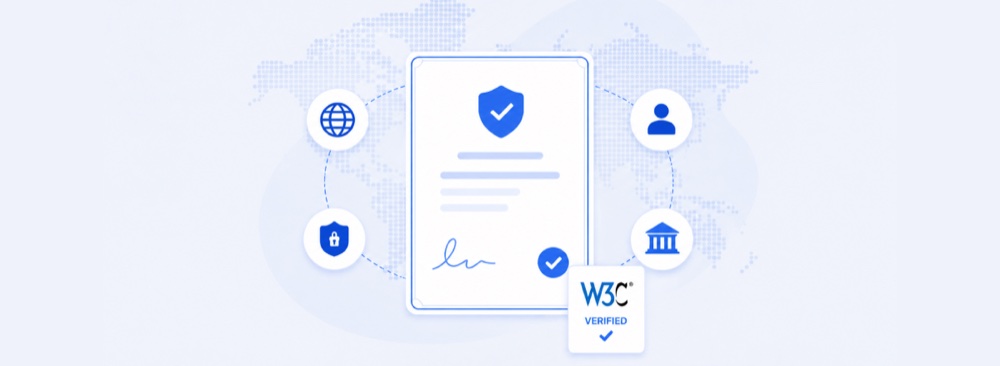
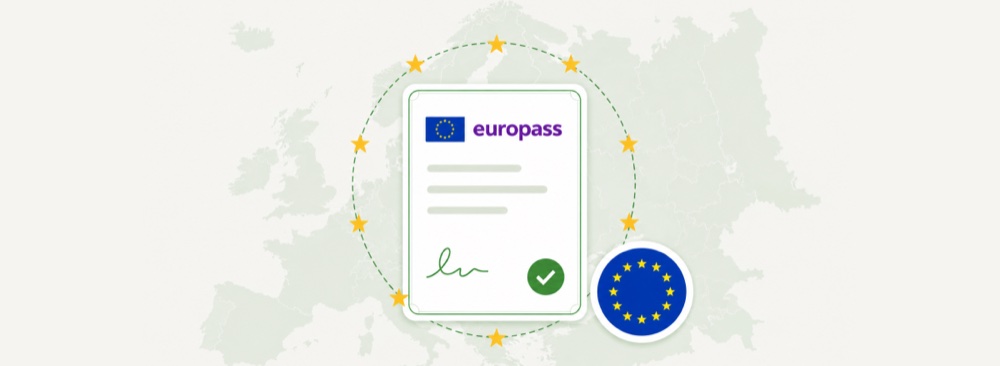
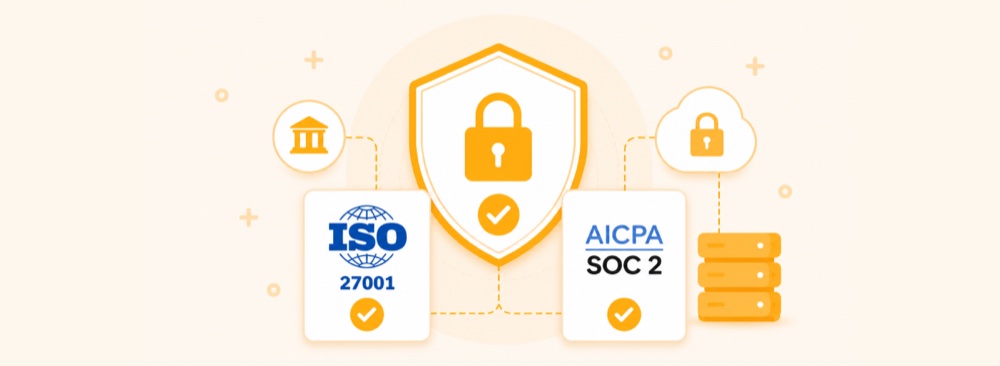
Why POK credentials are more secure and verifiable
We compare how digital credentials work in POK versus traditional platforms.
POK Blockchain-backed | Traditional platforms | |
|---|---|---|
| Credential ownership | Holder's, forever | Provider's |
| If the platform disappears | Credential remains valid | Access is lost |
| Verification | Public and independent | Depends on the provider |
| Security | Immutable public record | Private servers, vulnerable |
| Standards | Open Badges, W3C, ISO 27001 | Variable |
Detailed comparisons
The highest rated digital credentials platform
65 verified reviews on G2, Capterra, GetApp, and Software Advice. 5/5 stars average from HR, education, and certification teams.
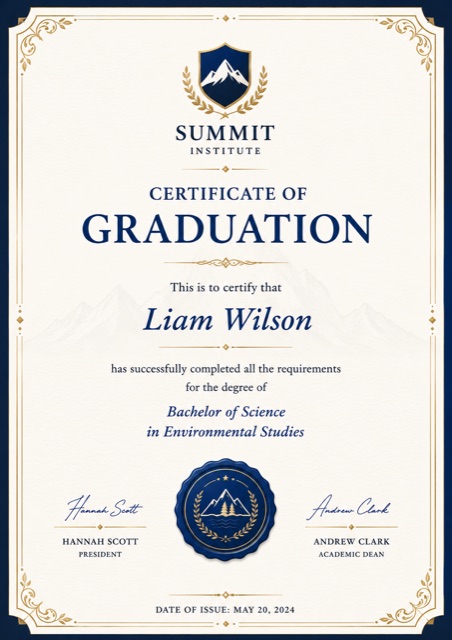
A head start for every kind of credential
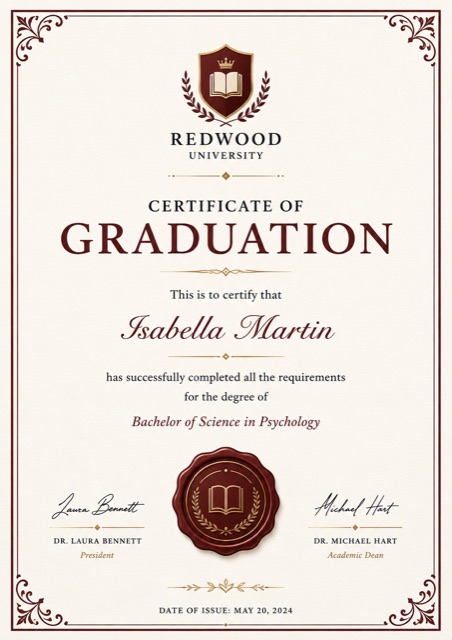
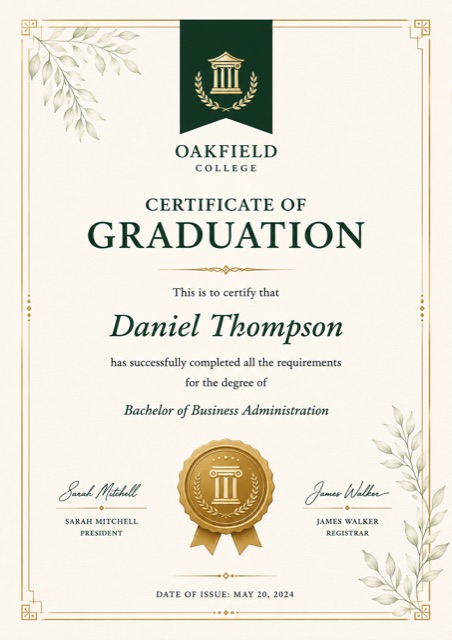
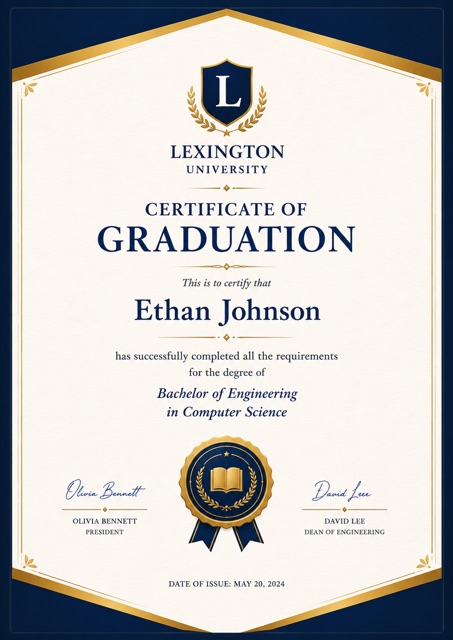
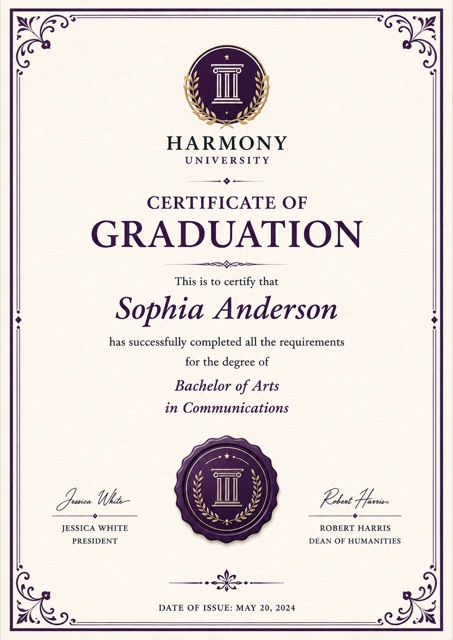
Open a blank canvas or begin with a polished, fully editable design — then make it yours in the drag-and-drop editor.
Every feature you need, in one platform
From issuance to verification — a complete toolkit for digital credentials at any scale.
Branded wallet app
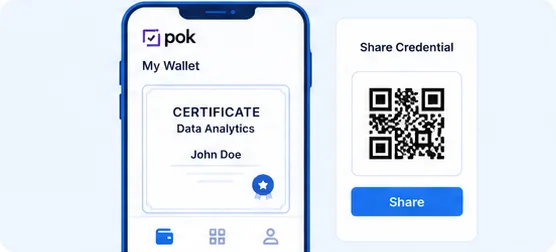
Give holders a mobile wallet under your brand to store, organize and share every credential they earn — anywhere, anytime.
Email customization
Send delivery emails from your own provider and domain. Fully customize sender, subject and design so every notification looks 100% yours.

Credential analytics
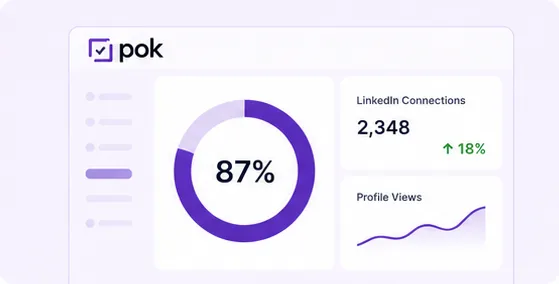
Track issuance, claim and share rates in real time. Understand how holders engage with their credentials and prove program impact with data.
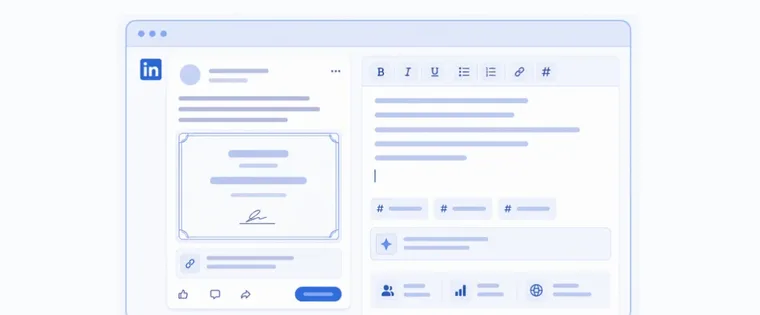
LinkedIn share message
Give holders a ready-to-post LinkedIn message with the right copy, hashtags and link — one click turns every credential into professional reach.
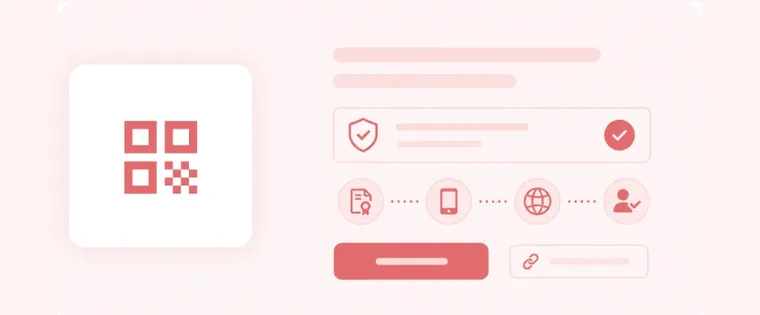
QR code verification
Every credential carries a unique QR that links to its verifiable record — perfect for printed diplomas, badges, events and on-the-spot checks.
Frequently asked questions
Unlike other providers, POK combines ease of use with compliance to the highest international standards: OpenBadge 3.0, W3C Verifiable Credentials, and European Learning Model. This ensures that issued credentials can be shared and verified anywhere in the world.
POK offers three plans:
- Web Based Free: unlimited digital credentials, without expiration, verifiable by link or QR code, without lock-in or hidden costs. They are not registered on blockchain.
- Blockchain Verify: each credential is registered as a hash on Ethereum, a public blockchain, with the open Blockcerts standard and no NFT. It comes in two plans: Basic, with an annual license, and Premium, paid per credential and with premium features.
- NFT Ownership: credentials issued as unique tokens on Polygon and LACNet, with permanent traceability and decentralized verification.
With over 1,100 institutions in America, Europe, and Asia, POK is the solution for those seeking to combine innovation, security, and flexibility in credential issuance.
- Only platform combining a 100% free unlimited plan with NFT blockchain credentials — no user caps, no setup costs, no expiration, and no lock-in.
- Security certifications: ISO 27001 and SOC 2 — independently audited standards for data protection and access management. Few credential platforms globally hold both.
- 1EdTech certified for data privacy — the international body managing Open Badges 3.0, ELM, and the TrustEd Credentials Framework.
- European Learning Model (ELM/Europass) compatible — enabling credential recognition across Europe and markets adopting this framework.
- Employment tracking and learning pathways — measuring the real impact of credentials on job opportunities, not just issuance.
Read the full 2026 comparison of the 6 best digital credential platforms.
- Academic credentials: diplomas, degrees, and university certificates
- Professional certifications: technical licenses, industry certifications, and continuing education
- Corporate recognitions: employee training, leadership programs, and internal skills certifications
- Microcredentials and badges: specific skill achievements, course completions, and stackable learning pathways
- Government certifications: licenses, permits, and official authorizations with expiration and revocation control
POK is 1EdTech certified, holds ISO 27001 and SOC 2 security certifications, and is compatible with the European Learning Model (ELM/Europass) — enabling credential recognition across Europe, Latin America, North America, and markets adopting open credential standards globally.
POK is also rated among the highest on G2, Capterra, and SourceForge globally, reflecting consistent institutional trust across regions. POK was named SourceForge Top Performer Fall 2026.
Public blockchain (e.g., Polygon, Ethereum):
- Open network where anyone can read and verify records independently
- Data distributed across thousands of nodes — maximum resistance to manipulation
- Credential verification does not depend on any single organization remaining operational
- Managed by an organization or consortium controlling who can access and record information
- Faster and cheaper to operate, but depends on a central administrator
- If the administrator disappears or restricts access, credential verification may be compromised
Free unlimited Web2 plan:
- Issue and verify unlimited digital credentials at no cost
- No user caps, no setup fees, no expiration, and no lock-in
- Full access to customization, Open Badges 3.0, ELM compatibility, and LMS integrations
- Everything in the free plan, with every credential registered and verified on blockchain with cryptographic proof of authenticity
- $3,000 per year including up to 50,000 credentials
- Blockchain registration and verification, plus every NFT premium feature except employability: custom domain, branding, analytics and more
- $0.30 per credential with no minimum and no setup fee
- From $0.80 to $1.50 USD per credential depending on volume — $1.50 at 1,000 credentials, $1.10 at 10,000, $0.80 at 100,000 — with no minimum commitment and no credit expiration
- Price per credential includes blockchain registration — no additional gas fees or variable costs
- Volume pricing available for universities and large organizations issuing at scale
ELM is the technical foundation of Europass — the European platform for sharing skills and qualifications internationally.
Key benefits of ELM compatibility for institutions:
- Credentials are recognized across EU member states and partner countries
- Enables automatic integration with Europass profiles
- Facilitates academic and professional mobility for students and graduates
- Future-proofs credentials as European digital credential infrastructure continues to expand globally
Unlike traditional digital certificates:
- It is unique and non-reproducible — each NFT is a distinct record on the blockchain
- It contains all relevant metadata — recipient name, issuance date, issuer identity, achievement criteria, and supporting evidence
- It can be verified independently by anyone — without requiring the platform or issuing institution to be operational
- The recipient has true digital ownership — the credential lives in their personal wallet, not on a company's server
- It is permanently traceable — showing when and by whom it was issued, with a complete audit trail
Key ways digital credentials create employment impact:
- LinkedIn visibility: one-click sharing to LinkedIn's Licenses & Certifications section increases profile strength and recruiter discovery
- Instant verification: employers can confirm authenticity in seconds via link or QR code — no need to contact the issuing institution
- Rich metadata: credentials include detailed information about skills, competencies, and criteria — giving employers context beyond a certificate name
- Fraud prevention: blockchain-anchored credentials are tamper-proof, increasing trust in presented qualifications
Web2 credentials: each credential includes a unique link and QR code. When opened, it displays full credential details on the POK verification portal — issuer, recipient, issuance date, criteria, and current status (valid, expired, or revoked).
NFT credentials: in addition to the POK portal, NFT credentials can be verified directly through a public blockchain explorer (e.g., PolygonScan) — confirming authenticity even if POK ceases to operate.
Blockchain Verify credentials: the recipient can also download the credential's Blockcerts file and validate it in any Blockcerts-compatible validator against the root anchored on Ethereum.
Every verification method displays:
- Issuing institution and their verified identity
- Recipient name
- Issuance date and expiration (if applicable)
- Criteria for obtaining the credential
- Current status — valid, expired, or revoked
- Supporting evidence (if attached by the issuer)
Start recognizing achievements with POK!
Join over 1,100 institutions already issuing verifiable digital credentials with POK. Free plan, no commitment.